


Forensic pathology: About Sling Injuries.
A blast wave injury is a sophisticated type of trauma caused by a sudden change in pressure, caused by an explosion. These injuries occur with the detonation of explosives or deflagration of low power explosives. These wounds are compounded when explosions occur in confined spaces.There are four typ

Four types of injuries: primary, secondary, tertiary, and quaternary.
A blast wave injury is a sophisticated type of trauma caused by a sudden change in pressure, caused by an explosion. These injuries occur with the detonation of explosives or deflagration of low power explosives. These wounds are compounded when explosions occur in confined spaces.
There are four types: primary, secondary, tertiary, and quaternary.
Primary injuries are directly caused by the effects of the shock wave on the body; The blast wave can cause death by affecting the lungs.
Secondary injuries are caused by trauma, contusion, penetration, or impaling with materials thrown by the explosion. There may be penetrating trauma with visible bleeding. People injured by explosions commonly have a significant Number of secondary injuries. Splinter wounds are the most common form of secondary injuries.
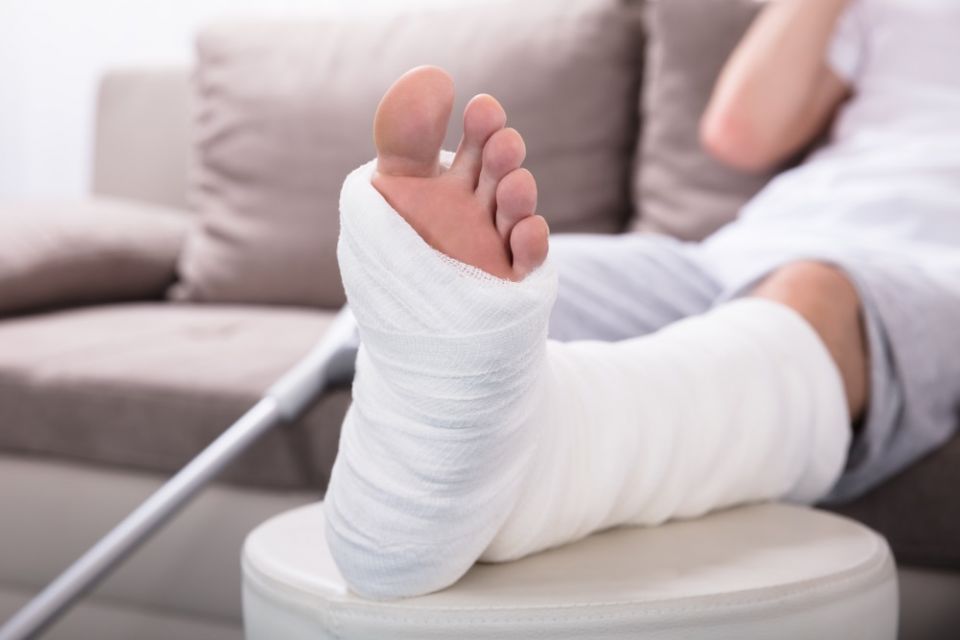
Since thrown materials cause more damage at greater distances, secondary injuries are more common than primary injuries. These types of injuries can be wounds, fractures, and amputations.
Tertiary injuries: These injuries are mostly caused when a person is thrown against a solid object or on the ground. There are rapid acceleration and deceleration that cause trauma.
Tertiary injuries include head injuries, abdominal trauma, contusions, and fractures.
Quaternary injuries are a direct cause of the explosion, and it refers to various injuries such as burns, exposure to toxic elements, or suffocation.
Disclaimer: The opinions expressed within this article are the personal opinions of the author. The facts and opinions appearing in the article do not reflect the views of 25hrNews and 25hrNews does not assume any responsibility or liability for the same.




 (+91) 8081113111
 pr@25hrnews.com