


Billions Of Years Of Organic Process History Beneath Threat.
Scientists say over fifty billion years of accumulative organic process history may be lost as humans push life to the brink. 'Weird and wonderful' animals in contrast to the rest on Earth area unit slippery mutely toward extinction, they say.And regions home to the best amounts of distinctive diver

These species area unit weird and terrific and there's nothing like them on Earth.
Scientists say over fifty billion years of accumulative organic process history may be lost as humans push life to the brink. "Weird and wonderful" animals in contrast to the rest on Earth area unit slippery mutely toward extinction, they say.
And regions home to the best amounts of distinctive diversity face unprecedented human pressures. They embody the Caribbean, Western Ghats of Bharat, and huge components of geographical area.
The study, printed in Nature Communications, highlights priority species for conservation, supported their organic process distinctiveness. "These species area unit weird and terrific and there's nothing like them on Earth," aforementioned Rikki Gumbs of ZSL's fringe of Existence program and Imperial School London.
He aforementioned the analysis reveals "the incomprehensible scale of the losses we have a tendency to face if we do not work more durable to save lots of international biodiversities". Rikki Gumbs aforementioned the numbers area unit terribly giant as a result of species-area unit evolving in parallel; for reptiles alone, you get a figure of thirteen billion years (about the age of the Universe).
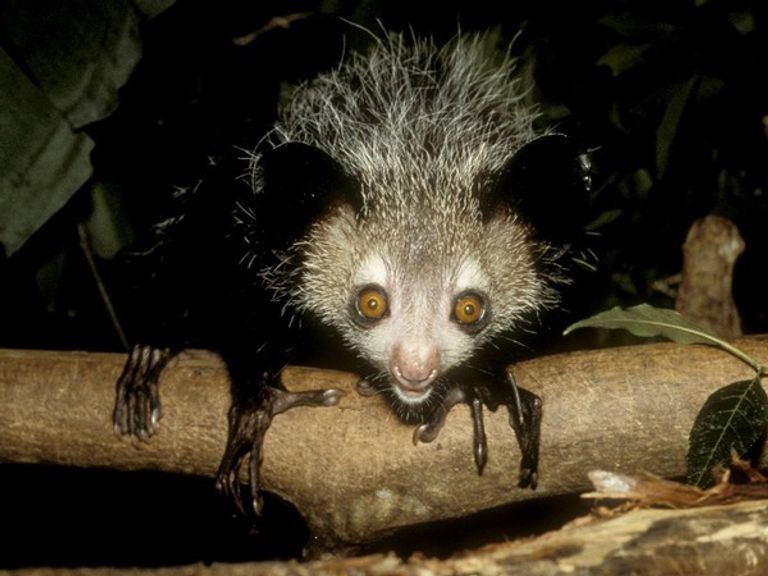
He said: "The tree of life is therefore immense and extinction is therefore wide unfolding across the tree of life that once you begin to feature up of these numbers you finish up with these types of incomprehensible figures of over fifty billion years."
Animals in danger embody tapirs and pangolins, that have ancient lineages and have modified very little over time; and interesting little-known reptiles, from legless lizards to small blind snakes.
Many perform important functions within the habitats during which they live. for instance, tapirs within the Amazon disperse seeds in their faeces which will facilitate the regenerate of the woodland. And pangolins, that area unit specialist eaters of ants and insects, play a necessary role in equalization of the food cycle.
Disclaimer: The opinions expressed within this article are the personal opinions of the author. The facts and opinions appearing in the article do not reflect the views of 25hrNews and 25hrNews does not assume any responsibility or liability for the same.




 (+91) 8081113111
 pr@25hrnews.com