


Programming Bacteria To Produce A Synthetic Building Block.
A step to designed cells that detect disease and produce their own drugs. Researchers from Rice University have successfully expanded the genetic code of E.coil bacteria to produce a synthetic building block, resulting in a living indicator for oxidative stress. The team says the work is a step

A step to designed cells that detect disease and produce their own drugs. Researchers from Rice University have successfully expanded the genetic code of E.coil bacteria to produce a synthetic building block, resulting in a living indicator for oxidative stress.
The team says the work is a step toward technologies that will allow the generation of organisms and novel proteins with a variety of functions. The study involved a combination of synthetic chemistry, metabolic engineering to create a strain that synthesizes and encodes a 21st noncanonical amino acid, then using it to produce the desired protein.
Bacteria were engineered to produce an extra amino acid known as 5-hydroxyl-tryptophan, which appears naturally in humans but not in E.coil. The production of 5HTP prompts the bacteria to produce a protein that appears fluorescent when the organism is under metabolic stress.
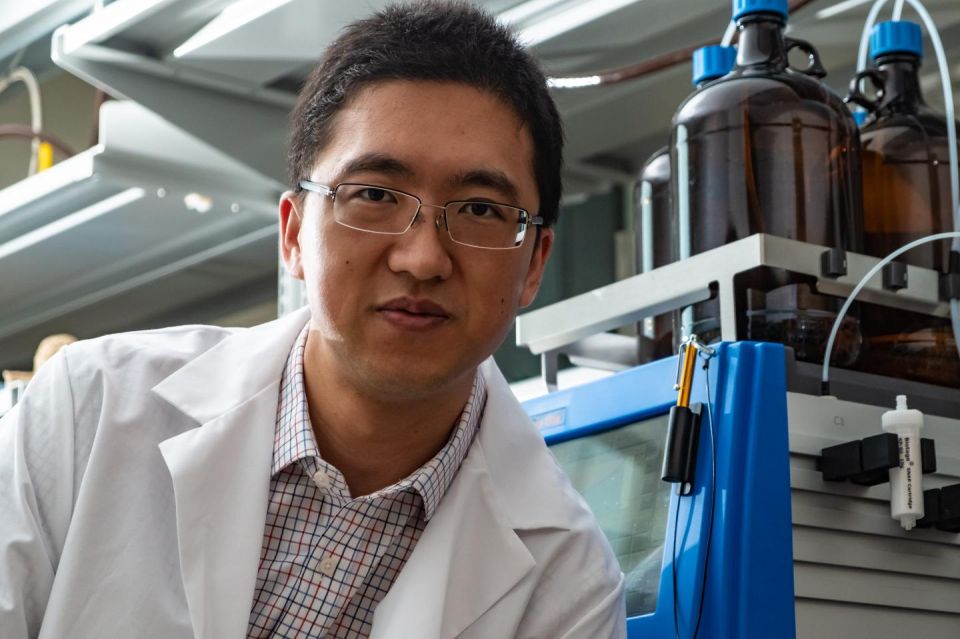
The 5HTP-containing proteins can be further labelled with drugs or other molecules. Ultimately, the team hopes the customized building blocks will allow targeted cells, like those in tumours, to produce their own therapeutic drugs and medicines. They want cells to detect disease, make better medicines, and release them in real-time. They don't think that's too far away. Said Han Xiao, Lead chemist behind the study.
Disclaimer: The opinions expressed within this article are the personal opinions of the author. The facts and opinions appearing in the article do not reflect the views of 25hrNews and 25hrNews does not assume any responsibility or liability for the same.




 (+91) 8081113111
 pr@25hrnews.com

janeman