


Molluscan Relies Egg With The Fertilization And Difficult Variations.
The simplest molluscan reproductive order relies on external fertilization, but with more difficult variations. All produce eggs, from which may begin trochophore larvae, miniature adults, or more complex veliger larvae.Two gonads relax next to the coelom, a little cavity that surrounds the heart, i

The most common molluscan larva is a trochophore.
The simplest molluscan reproductive order relies on external fertilization, but with more difficult variations. All produce eggs, from which may begin trochophore larvae, miniature adults, or more complex veliger larvae.
Two gonads relax next to the coelom, a little cavity that surrounds the heart, into which they exude sperm or ova. The nephridia extract the gametes of the coelom and release them into the mantle decay. Molluscs that use such a regularity remain of one sex all their lives and rely on external fertilization.
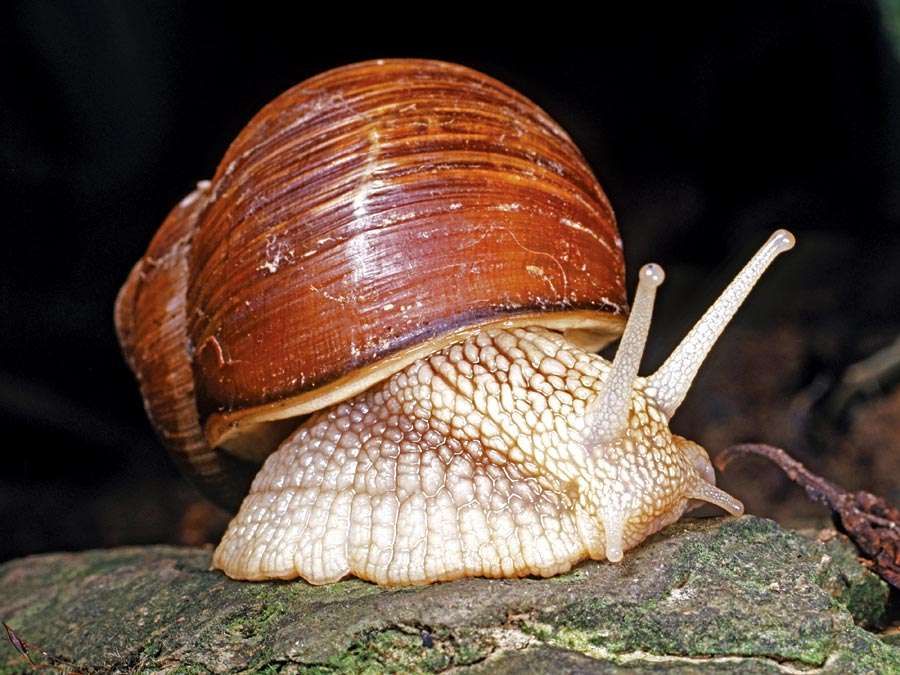
Some mollusks use internal fertilization and are the hermaphrodites, functioning as both sexes. Both of these methods require further complex reproductive methods. The most common molluscan larva is a trochophore, which is planktonic and feeds floating food particles by doing the two bands of cilia.
Around its equator to sweep food into the mouth which uses more cilia to drive them into the stomach. Which uses further cilia to expel undigested remains through the anus. New tissue grows in the bands of mesoderm in the interior, so the apical tuft and anus are pushed further apart as the animal grows.
The trochophore stage is often successful by a veliger stage in which the prototroch, the equatorial band of cilia nearest the apical tuft, develops into the velum, a pair of cilia bearing lobes with which the larva swims.
Disclaimer: The opinions expressed within this article are the personal opinions of the author. The facts and opinions appearing in the article do not reflect the views of 25hrNews and 25hrNews does not assume any responsibility or liability for the same.




 (+91) 8081113111
 pr@25hrnews.com