


Japan expects to eliminate gasoline vehicles by mid-2030s, boost green growth
Japan means to dispense with fuel controlled vehicles in the following 15 years, the public authority said on Friday in an arrangement to arrive at net zero fossil fuel byproducts and produce almost $2 trillion every year in green development by 2050. The 'green development system,' focusing on the

Japan means to dispense with fuel controlled vehicles in the following 15 years, the public authority said on Friday in an arrangement to arrive at net zero fossil fuel byproducts and produce almost $2 trillion every year in green development by 2050.
The "green development system," focusing on the hydrogen and auto enterprises, is implied as an activity intend to accomplish PM Yoshihide Suga's October promise to kill fossil fuel byproducts on a net premise by mid-century.
Suga has focused on green speculation to help restore the economy hit by the Coronavirus pandemic and to align Japan the European Association, China and different economies setting eager outflows targets.
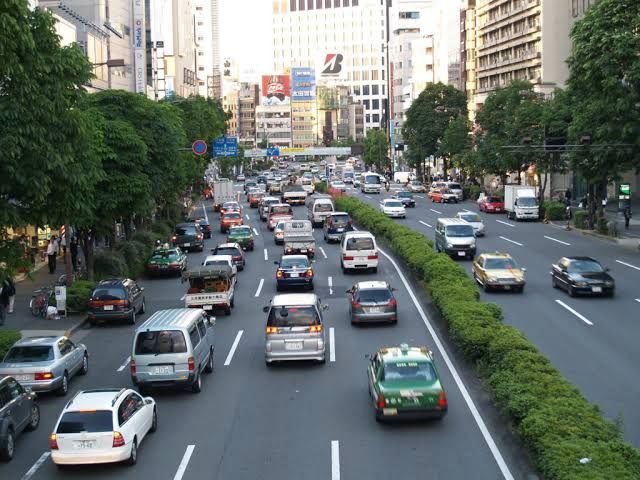
The public authority will offer assessment impetuses and other monetary help to organizations, focusing on 90 trillion yen ($870 billion) a year in extra financial development through green venture and deals by 2030 and 190 trillion yen ($1.8 trillion) by 2050.
A 2 trillion yen green asset will uphold corporate interest in green innovation.
The arrangement tries to supplant the offer of gas controlled vehicles with electric vehicles, including half breed and energy unit vehicles, by the mid-2030s.
To quicken the spread of electric vehicles, the public authority targets cutting the expense of vehicle batteries by the greater part to 10,000 yen or less per kilowatt hour by 2030. It intends to support hydrogen utilization to 3 million tons by 2030 and to around 20 million tons by 2050 from 200 tons now, in zones, for example, power age and transportation.
The system distinguishes 14 ventures, for example, seaward wind and fuel alkali, focus on the establishment of up to 45 gigawatts (GW) of seaward wind power by 2040.
Disclaimer: The opinions expressed within this article are the personal opinions of the author. The facts and opinions appearing in the article do not reflect the views of 25hrNews and 25hrNews does not assume any responsibility or liability for the same.




 (+91) 8081113111
 pr@25hrnews.com